Zinc isn't flashy. It doesn't have the cult following of creatine or the Instagram appeal of ashwagandha. But it might be the single most underrated mineral in male health. Roughly one in three men globally runs low on it, and the downstream effects show up in places most men never connect to a mineral deficiency. Testosterone, sperm quality, immunity, recovery, even mood.
Why men need more zinc than women do
Zinc is involved in over 300 enzymatic reactions in the human body. It helps regulate hormones, supports immune cell function, repairs DNA, and is concentrated in particularly high amounts in two places relevant to men. The prostate and the testes.
Men lose zinc through sweat, semen and stress. The more you train, the more you lose. Each ejaculate alone contains a measurable amount of zinc, which is why male requirements sit higher than female requirements at every life stage.
Australian dietary surveys consistently show that a meaningful percentage of adult men fall short of the recommended daily intake [1]. The deficiency is rarely dramatic. It's the subtle kind that grinds away at performance over years.
Zinc and testosterone
This is the relationship most men have heard whispers about. The science is more nuanced than the supplement industry suggests, but it's real.
Zinc is a cofactor in testosterone production. Several studies have shown that zinc-deficient men experience measurable drops in testosterone, and that restoring adequate zinc status appears to support healthy testosterone levels [2]. The catch is that this only works if you were genuinely low to begin with. Pouring more zinc onto already-replete stores doesn't push testosterone higher.
Translation. If you're a man who trains hard, sweats a lot, eats inconsistently, or runs on stress, you're more likely to be in the group that benefits.
Zinc and sperm quality
Zinc is one of the most concentrated minerals in semen, and it plays a structural role in sperm membrane stability and DNA integrity [3]. Multiple studies have linked low zinc status to reduced sperm count, motility and morphology, and zinc supplementation has been studied as a supportive intervention in subfertile men [4].
Like a lot of male fertility research, the strongest effects appear in men with existing deficiency or suboptimal sperm parameters. For men focused on preconception health or simply on showing up at full biological capacity, daily zinc adequacy is one of the easier wins.
Zinc and immunity
Most men only think about zinc when they're already sick. The cold and flu connection is real, but it's also the smallest part of the picture.
Zinc is essential for the development and function of immune cells, including T cells and natural killer cells [5]. Adequate zinc status supports the immune system's day-to-day baseline, not just its response to acute infection. Men under chronic stress, men who travel a lot, and men in their first year of fatherhood (where sleep collapses) often quietly tank their immune resilience without realising zinc is part of the equation.
Less obvious benefits
Skin, hair and recovery
Zinc supports collagen synthesis and tissue repair. Men with persistent acne, slow-healing cuts or recurring soft-tissue niggles in training sometimes find that addressing zinc status quietly improves things on the side. It's not a magic bullet, but it's part of the substrate.
Taste, smell and appetite
Loss of taste or smell is one of the earliest signs of zinc deficiency, and the link goes both ways. Adequate zinc supports the regeneration of taste bud cells and the function of olfactory neurons. If food has felt blander than it used to, this is worth a thought.
Mood and stress resilience
Emerging research has explored zinc's role in mood regulation, with some studies suggesting that zinc status interacts with neurotransmitter systems involved in stress response [6]. It's not an antidepressant. It's a foundational nutrient that, when low, can quietly drag the whole nervous system down.
Why food alone often falls short
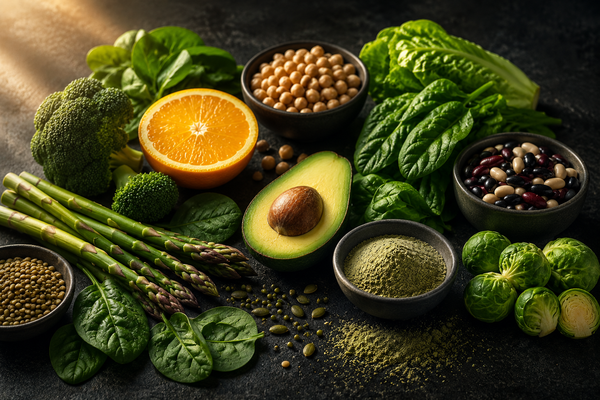
Zinc-rich foods are mostly animal-based. Oysters are the standout, followed by red meat, poultry, eggs and dairy. Plant sources like legumes, seeds and whole grains contain zinc but also contain phytates, which reduce absorption significantly.
Even meat-eating men don't always hit adequate intake daily, particularly if they're training hard, sweating heavily, drinking regularly (alcohol increases zinc excretion) or eating a lot of processed food. Daily mineral support starts to matter, particularly for men over 30.
Common questions
How much zinc do men actually need?
Australian guidelines recommend 14 mg per day for adult men. Active men, men under chronic stress, and men with restricted diets often need more than the baseline. Tolerable upper intake from supplements sits at 40 mg per day for healthy adults.
Can you take too much zinc?
Yes. Chronic high-dose zinc supplementation (well above 40 mg daily for extended periods) can interfere with copper absorption and cause adverse effects. Daily moderate doses, of the kind found in well-formulated daily multivitamins, sit safely within recommended ranges.
What form of zinc absorbs best?
Zinc bisglycinate, citrate and picolinate generally show better bioavailability than zinc oxide, which is the cheapest and most common form in low-quality supplements. The form matters more than men realise.
Should I take zinc with or without food?
Zinc absorbs best when not taken with high-calcium foods or large amounts of fibre at the same time. Most men do well taking it with breakfast, particularly when paired with other minerals like magnesium and selenium.
Does zinc actually shorten colds?
The evidence is mixed but generally positive. Several Cochrane reviews have found that zinc, taken within 24 hours of symptom onset, may modestly reduce the duration and severity of common colds [7]. Daily adequacy seems to matter more than acute dosing.
The compounding picture
Zinc isn't a one-system mineral. It sits behind testosterone, sperm health, immunity, skin, hair, recovery and stress resilience all at once. That's the kind of compound men over 30 should be paying attention to.
It's why zinc sits inside GENXSIS Daily Elite alongside the other compounds men actually need every day. Creatine, magnesium, vitamin D3, folate, selenium, CoQ10 and L-carnitine. One drink. Every morning. The kind of small daily action that compounds into the biology you bring to life's biggest moments.
Disclaimer: This article is for informational and educational purposes only and is not intended as medical advice, diagnosis or treatment. Always speak with a qualified healthcare professional before starting any new supplement, particularly if you have a pre-existing health condition or take medication.
References
1. Australian Bureau of Statistics. Australian Health Survey: Usual Nutrient Intakes, 2011-12. abs.gov.au
2. Prasad AS et al. Zinc status and serum testosterone levels of healthy adults. Nutrition. 1996. pubmed.ncbi.nlm.nih.gov/8875519
3. Fallah A et al. Zinc is an essential element for male fertility: a review. J Reprod Infertil. 2018. pubmed.ncbi.nlm.nih.gov/30009140
4. Zhao J et al. Zinc levels in seminal plasma and their correlation with male infertility: a systematic review and meta-analysis. Sci Rep. 2016. pubmed.ncbi.nlm.nih.gov/26932683
5. Wessels I et al. Zinc as a gatekeeper of immune function. Nutrients. 2017. pubmed.ncbi.nlm.nih.gov/29186856
6. Petrilli MA et al. The emerging role for zinc in depression and psychosis. Front Pharmacol. 2017. pubmed.ncbi.nlm.nih.gov/29033845
7. Singh M, Das RR. Zinc for the common cold. Cochrane Database Syst Rev. 2015. pubmed.ncbi.nlm.nih.gov/23775705